Easy Classic Granny Square: Free Crochet Pattern Guide
Soft worsted weight yarn transforms into a structured square that holds its shape beautifully after every wash. You will find that this classic design feels sturdy under your fingers yet remains flexible enough for cozy blankets or matching throw pillows. Beginners appreciate how the rhythm of the double crochet clusters turns into a relaxing habit, while gift makers love how fast each unit builds into a substantial piece. You are going to master the specific chain-two corner technique that ensures your edges stay flat. This project turns simple leftover yarn into a consistent and professional result.
Why You’ll Love This Pattern
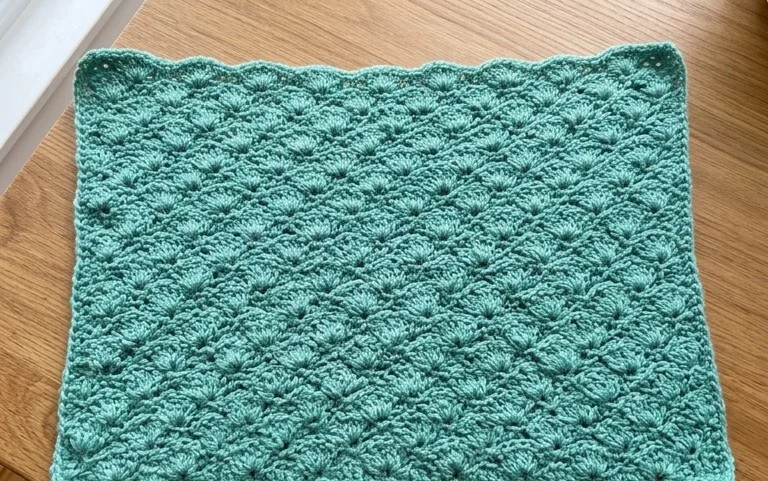
The Classic Crochet Granny Square is the fundamental building block of crochet design. This specific version utilizes a traditional three-double-crochet cluster technique that balances structural integrity with a soft, flexible drape. Because it works in the round, you never have to turn your work, which keeps your tension consistent and makes it an ideal project for practicing color changes. You can complete a single square in about 15 minutes, making it an efficient way to use up leftover scrap yarn from larger blankets or garment projects. It is a meditative project that requires minimal counting once you establish the first three rounds.
I finally mastered the granny square with this pattern because the instructions for the corners are so clear. It is the first time my squares have actually laid flat instead of curling up into a bowl shape.
— Sarah, hobbyist crafter
Pattern Overview & Skill Level
- Skill Level: Beginner
- Approximate Time: 15–20 minutes per square
- Construction: Worked in continuous rounds from the center outward
- Finished Dimensions: Approximately 5 inches by 5 inches using worsted weight yarn
Materials & Supplies Needed
- Yarn: Worsted weight (#4), 100% acrylic or wool blend, approximately 15 yards per square.
- Hook Size: 5.0 mm (US H-8).
- Notions: Yarn needle for weaving in ends, sharp scissors.
- Yarn Substitutions: You can use DK weight yarn with a 4.0 mm hook for a smaller, tighter square, or bulky weight yarn with a 6.0 mm hook for a larger, quicker square. Note that changing weight will significantly alter the final dimensions and drape of your project.
Stitch Guide & Abbreviations (US Terms)
- ch = chain
- sl st = slip stitch
- dc = double crochet
- cluster = a group of 3 dc stitches worked into the same space
- sp = space (the hole created by a chain stitch in the previous round)
- MR = magic ring (or alternatively, ch 4 and sl st to the first chain to form a loop)
Step-by-Step Pattern Instructions
Foundation and Rounds
Round 1: Start with a MR. Ch 3 (counts as first dc), work 2 dc into the ring, ch 2. Work a cluster of 3 dc, ch 2 into the ring. Repeat this three times. Join with a sl st to the top of the initial ch 3. (12 dc, 4 ch-2 spaces)
Round 2: Sl st into the next dc and into the first ch-2 corner sp. Ch 3, 2 dc, ch 2, 3 dc all in the same corner sp. Ch 1. In the next ch-2 corner sp, work 3 dc, ch 2, 3 dc. Repeat this for all 4 corners, ch 1 between corners. Join with a sl st to the top of the initial ch 3. (24 dc, 4 ch-2 spaces, 4 ch-1 spaces)
Round 3: Sl st into the next dc and into the first ch-2 corner sp. Ch 3, 2 dc, ch 2, 3 dc all in the same corner sp. Ch 1. Work 3 dc into the next ch-1 side sp. Ch 1. In the next corner, work 3 dc, ch 2, 3 dc. Repeat the pattern of corners and side spaces around the square. Join with a sl st to the top of the initial ch 3. (36 dc, 4 ch-2 spaces, 8 ch-1 spaces)
Finishing
Fasten off your yarn, leaving a six-inch tail. Use your yarn needle to weave the tail through the back of the stitches to secure it. If you plan to join multiple squares, leave a longer tail to use as a sewing thread.
Care & Washing Instructions
- Hand wash your finished squares in cool water using a mild wool-safe detergent.
- Lay the squares flat on a clean towel and reshape them while damp to ensure the corners remain square.
- Avoid using a tumble dryer, as high heat can damage acrylic fibers and cause natural fibers to felt or shrink.
Pro Tips & Common Mistakes to Avoid
Consistent tension is the secret to a professional-looking square. If your work starts to ripple, your hook is likely too large for your yarn. If the square pulls tight and refuses to lay flat, your hook is likely too small or your tension is too tight. Always place a stitch marker in the top of your starting chain to ensure you know exactly where to join at the end of every round. Weave your ends in as you go; tucking them under the stitches of the following round as you work is a reliable way to hide them without needing to sew them in later.
Frequently Asked Questions
Can I make this square larger?
Yes, you can continue the pattern by working 3 dc into every ch-1 side space and 3 dc, ch 2, 3 dc into every corner space. Each additional round adds 12 stitches to the total count.
What is the best way to join these squares together?
A whip stitch through the back loops only creates a clean, flat seam. Alternatively, a single crochet join creates a decorative ridge that adds texture to your finished project.
Is this pattern suitable for beginners?
This pattern is perfect for beginners because it relies on the basic double crochet stitch. It helps you understand how to navigate corner spaces and how to build a flat fabric in the round.
Can I sell the squares I make from this pattern?
You are welcome to sell finished items created from this pattern. I only ask that you credit the designer and provide a link back to the original source if you are selling them online.
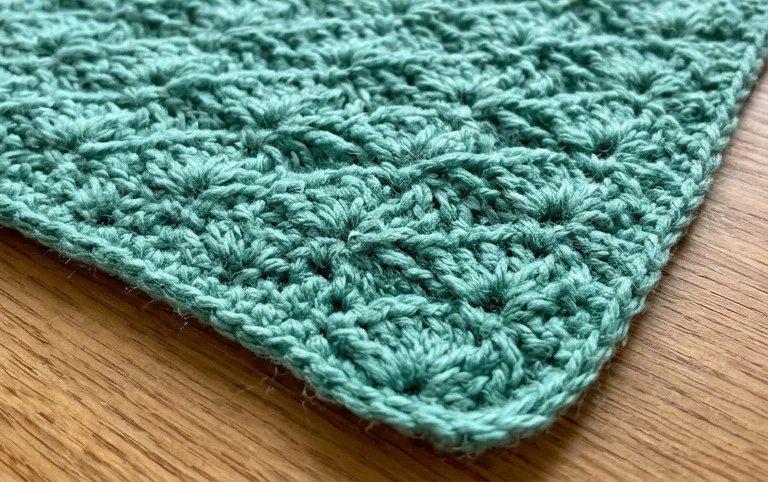
Your finished square looks crisp and professional with clean lines that show off your color choices perfectly. If you want a softer drape for a summer shawl, swap the acrylic yarn for a cotton blend and use a slightly larger hook size. Please share a photo of your completed stack on social media so others can see your unique color combinations. You can find more free patterns and seasonal projects in our archive to keep your needles and hooks busy all year round.